
If you’ve been running Minecraft: Java Edition on a decade-old spec sheet without issue, that documentation just caught up to reality. As reported by XDA Developers and Mojang’s own announcement on the Minecraft website, the developer has revised Java Edition’s official system requirements for the first time in 17 years, raising both the minimum and recommended specs to reflect what the game actually needs today. Games.gg independently corroborated the update and its framing.
Mojang addressed the change directly on its site, stating that the previous specs were based on older hardware and older graphics technology that no longer represent what the game needs to run well. The update raises memory, processor, and graphics requirements across the board.
What the New Requirements Look Like
The new minimum requirements call for a 64-bit system, 8GB of RAM (or 12GB if relying on integrated graphics), a 4-core processor, and a Vulkan 1.3-capable GPU with at least 2GB of VRAM. The recommended tier steps up to 16GB of RAM, a CPU on the level of an Intel Core i5-12400, AMD Ryzen 5 5600, or Apple M2 Pro, and a GPU such as the Nvidia RTX 2060, AMD Radeon RX 5600 XT, or Intel Arc A580 with 6GB of VRAM.
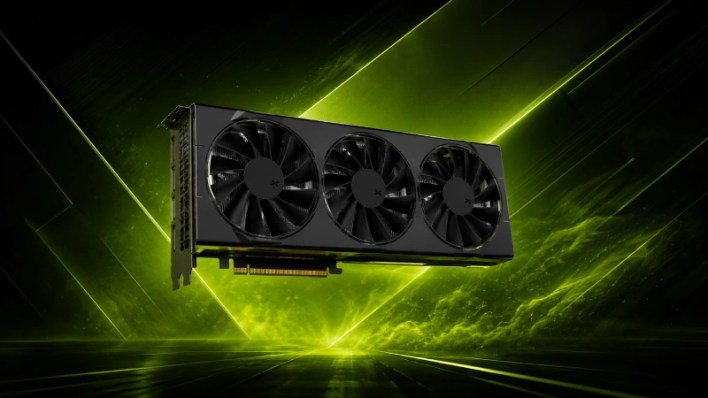
For context, the previous listing recommended just 4GB of RAM and an Nvidia GeForce 700-series GPUhardware that predates the current specs by well over a decade. Mojang has also tied these specifications to clearer performance targets. The updated minimum configuration is intended to deliver gameplay at 1080p resolution with approximately 30 frames per second using the Fast graphics preset. Meanwhile, the recommended specifications are designed around a smoother 1080p, 60 FPS experience using the Fancy graphics preset, providing players with more realistic expectations about the level of performance their hardware should deliver.
The graphics requirements also reflect the industry’s gradual shift toward newer rendering technologies. Vulkan 1.3 support has become increasingly common across modern GPUs, and the updated baseline acknowledges that graphics hardware released over the past several years is now widely available. Rather than relying on aging graphics architectures, Mojang’s revised recommendations align Java Edition with the capabilities expected from contemporary gaming PCs.
Why the Minecraft Java Update Isn’t Cause for Concern
This isn’t a graphical overhaul forcing older PCs out of the game. Mojang has been clear that Java Edition itself hasn’t changed as a result of this update; the requirements are simply catching up to what the game has quietly become over 17 years of larger render distances and feature additions. If a PC already met the old recommended specs and runs the game fine today, nothing immediately changes with this announcement.
The larger effect is more about internal flexibility for Mojang than a warning to players. Listing an outdated GTX 700-series card as the recommended baseline made it harder to justify modernizing the renderer for anything beyond that hardware. A more current requirements list gives the development team room to optimize Java Edition without being tied to a hardware floor almost nobody is still using.

Who Should Actually Pay Attention
Players running heavily modded servers or add-on-heavy setups are the group most likely to feel this in practice, since modded Minecraft has long pushed past the old official specs even though Mojang never updated the documentation to say so. For anyone running stock Java Edition on hardware from the last four or five years, the new recommended tier, 16GB of RAM and a 2019-era GPU like the RTX 2060, is a low bar by current gaming standards, where new releases increasingly recommend cards like the RTX 3080 Ti or RX 9070.
Players sitting right at the new minimum threshold who want more headroom can also look at performance-focused mods such as Sodium and Lithium, which are built specifically to improve frame rates without changing gameplay.
What to Watch Next
Mojang hasn’t indicated any accompanying performance changes or renderer updates tied to this requirements refresh, but the reasoning behind the update, freeing the team from an outdated hardware floor, suggests future optimization work may follow now that the documented baseline reflects modern systems. Whether Bedrock Edition sees a similar requirements refresh, given it’s run on separate specs from Java Edition, remains unaddressed for now.


